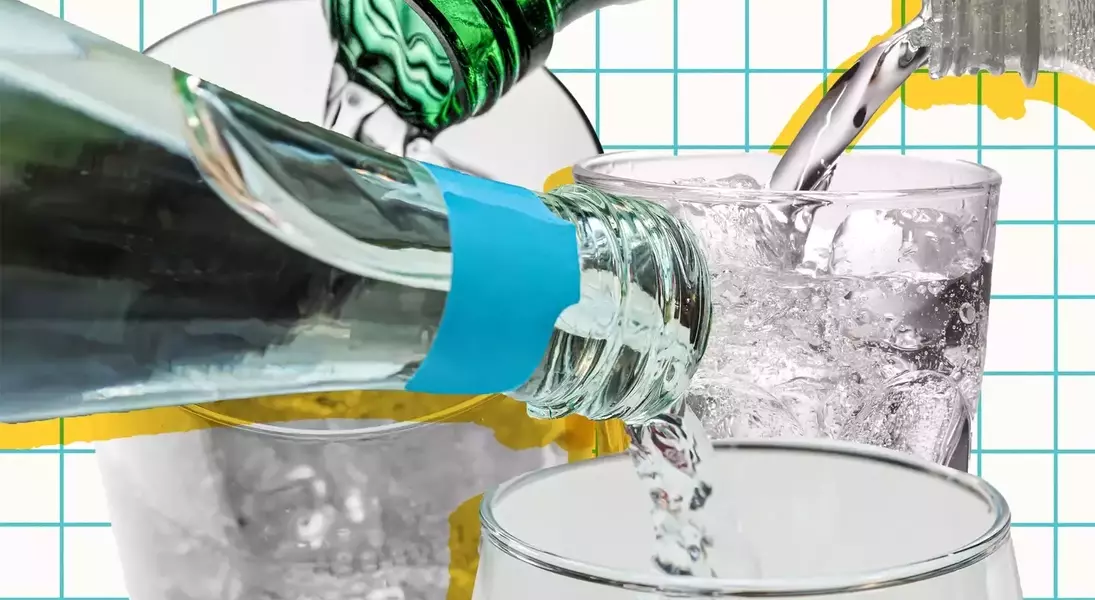
The demand for effervescent drinks is experiencing a remarkable surge, reflecting a global shift towards diverse beverage choices, including non-alcoholic options. The sparkling water market, in particular, witnessed substantial growth, reaching a valuation of .13 billion in 2023 and projected to skyrocket to 8.35 billion by 2032. This impressive expansion highlights the widespread appeal of bubbly refreshments, prompting a closer look at the subtle differences that set various carbonated waters apart.
While often grouped under the umbrella term of "fizzy water," sparkling water, mineral water, club soda, seltzer, and tonic water each offer distinct profiles. Sparkling water, whether naturally occurring or artificially carbonated, is simply water infused with carbon dioxide. Sparkling mineral water, on the other hand, is distinguished by its natural effervescence and a minimum of 250 parts per million of dissolved minerals, which contribute to its unique taste. Club soda contains added mineral salts like sodium chloride or sodium bicarbonate, giving it a slightly savory note, while seltzer is characterized by its lack of added minerals, being plain water mechanically carbonated. Tonic water stands out with its unique bitter flavor derived from quinine, balanced by added sugar, making it more akin to a soft drink and particularly suited for specific cocktail pairings.
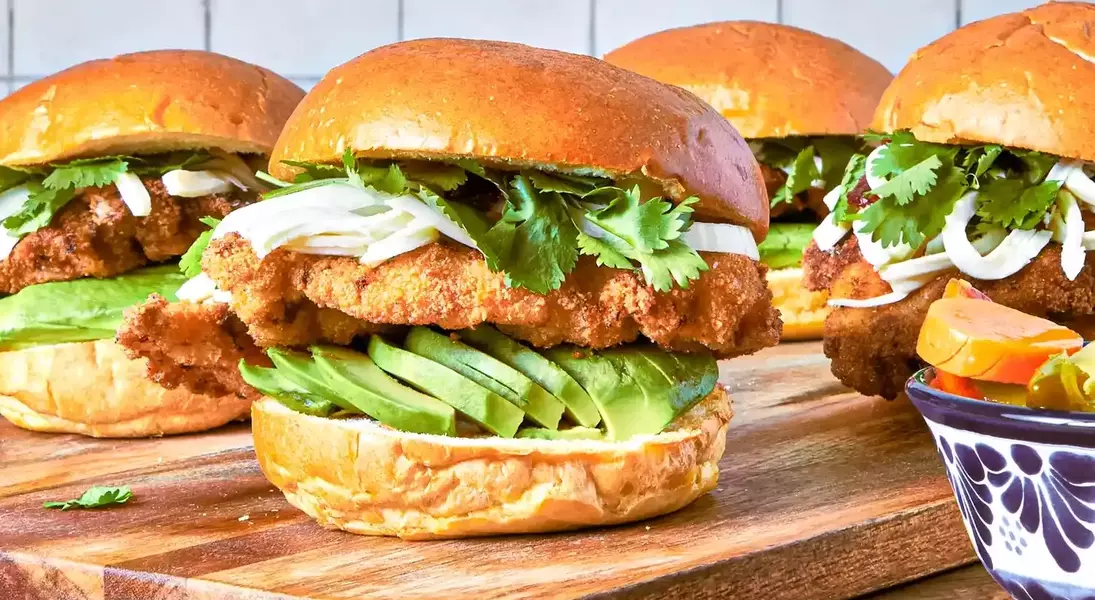
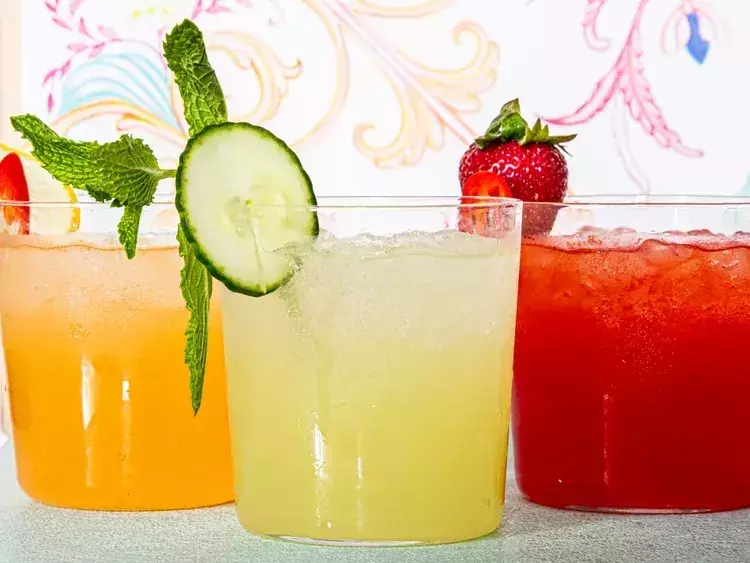
The choice of carbonated beverage significantly impacts its culinary and mixology applications. For cocktails requiring a strong effervescent lift, such as a mojito, seltzer or club soda are preferred due to their robust carbonation levels. The mineral content in club soda can also enhance savory dishes by inhibiting bitter receptors and activating umami, making it a valuable ingredient in batters for fried foods. Tonic water, with its distinct bittersweet profile, is best reserved for classic pairings like gin and tonic, or for innovative concoctions like an espresso tonic, where its unique flavor can truly shine. For simple refreshment, personal preference dictates the choice, as unflavored mineral waters vary widely in taste based on their natural mineral composition, offering diverse options to complement different foods and palates.
Ultimately, while sparkling water, club soda, and seltzer can often be interchanged in many contexts, the subtle variations in their taste and carbonation make a difference. Sparkling mineral water, with its generally milder fizz, is less suitable for drinks demanding high carbonation. Tonic water, due to its quinine and sugar content, is a category unto itself and should not be used as a substitute for other carbonated waters. Understanding these distinctions allows consumers to appreciate the unique qualities of each type and choose the perfect fizzy accompaniment for any occasion, whether it's enhancing a meal or crafting a refreshing cocktail.